
Africa's Window of Opportunity: Reaching the World's Youngest Continent
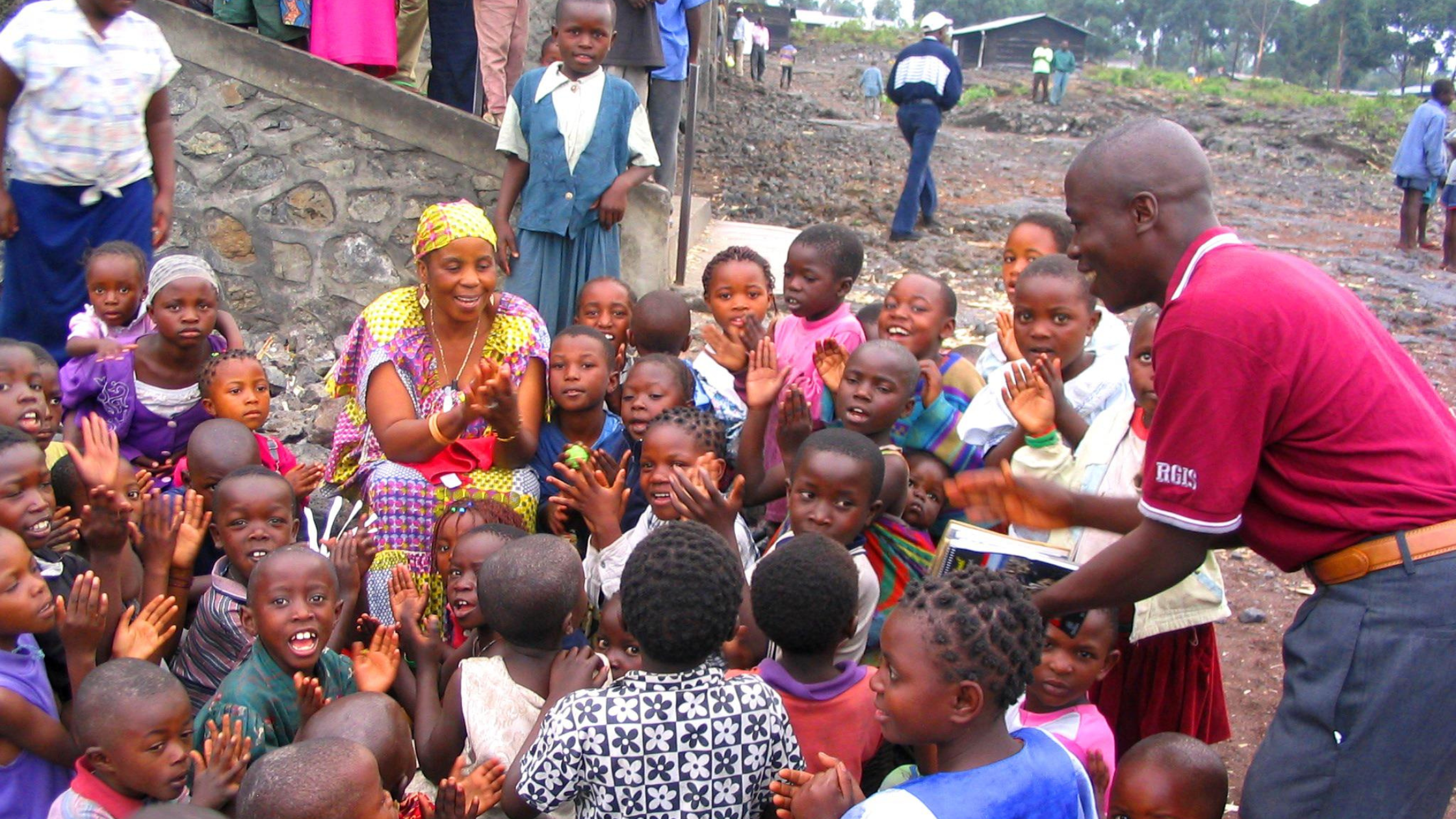
Children in Christ club in the Democratic Republic of Congo
The village elders had decided: Francis and James—just 15 and 16 years old—must die at dawn. Their crime? Leading other children in their Guinean village to Christ.
But before the sun rose, an accidental hunting mishap threw the village into chaos. The moment passed. The execution never happened. And that divine interruption changed everything.
Only weeks earlier, a university student from the village had returned home from the city where he had given his life to Christ after participating in Children in Christ’s programming led by its founder, Terry Andrews. Burdened to share the gospel, he gathered all 50 children in the village and told them about Jesus. Every single one believed. He formed a kids’ club like he had been a part of, chose five or six to be young leaders—Francis and James among them—and spent three months discipling them deeply in Scripture, leadership, and evangelism.
When he returned to university, the boys took over. They led the club, taught others, and planted new clubs.
But soon, the village elders, who followed old tribal beliefs, saw their Christian faith as a threat. When God intervened in their execution, the village began to take notice.
Not long after, a new threat emerged: a band of rebels was approaching, destroying every village in their path—and theirs was next. The elders, terrified, came to the same children they had once condemned. “We’ve prayed to our idols. We’ve made our sacrifices. Nothing has worked,” they said. “You pray to your God to save us.” Then the adults fled into the bush to hide.
Francis, James, and the other young believers stayed behind and prayed. The rebels came. They looked around the village. And for reasons no one could explain—they walked away. The children ran into the bush to find the elders. “Our God, the God of the universe, has saved you,” they said. “You need to receive Jesus.”
And they did—led by the very youth they once tried to silence.
But Francis and James weren’t done.
Living near the border of Liberia, they watched as children their age marched off to war. And something stirred in them: a burden to bring the gospel to Liberia’s youth. With no outside support and just $7 earned by hunting and selling frogs, they crossed the border as missionaries.
Churches turned them away. A Muslim man offered his car. So they lived there—in a hot, airless vehicle—for a year and a half.
Every day, they walked 20 kilometers to plant youth clubs in villages. They discipled leaders, taught Scripture, and returned again and again to encourage the kids. Two of the Muslim man’s children gave their lives to Jesus—and today, they lead Children in Christ’s work in Liberia.
Francis and James were never formally sent. But their story is a glimpse of what God is doing across Africa: igniting movements of young people, discipled deeply, leading boldly, and transforming nations. What makes their story remarkable isn't just their courage—it's that they represent something much bigger—a demographic like nowhere else.
The Opportunity: The Youngest Continent
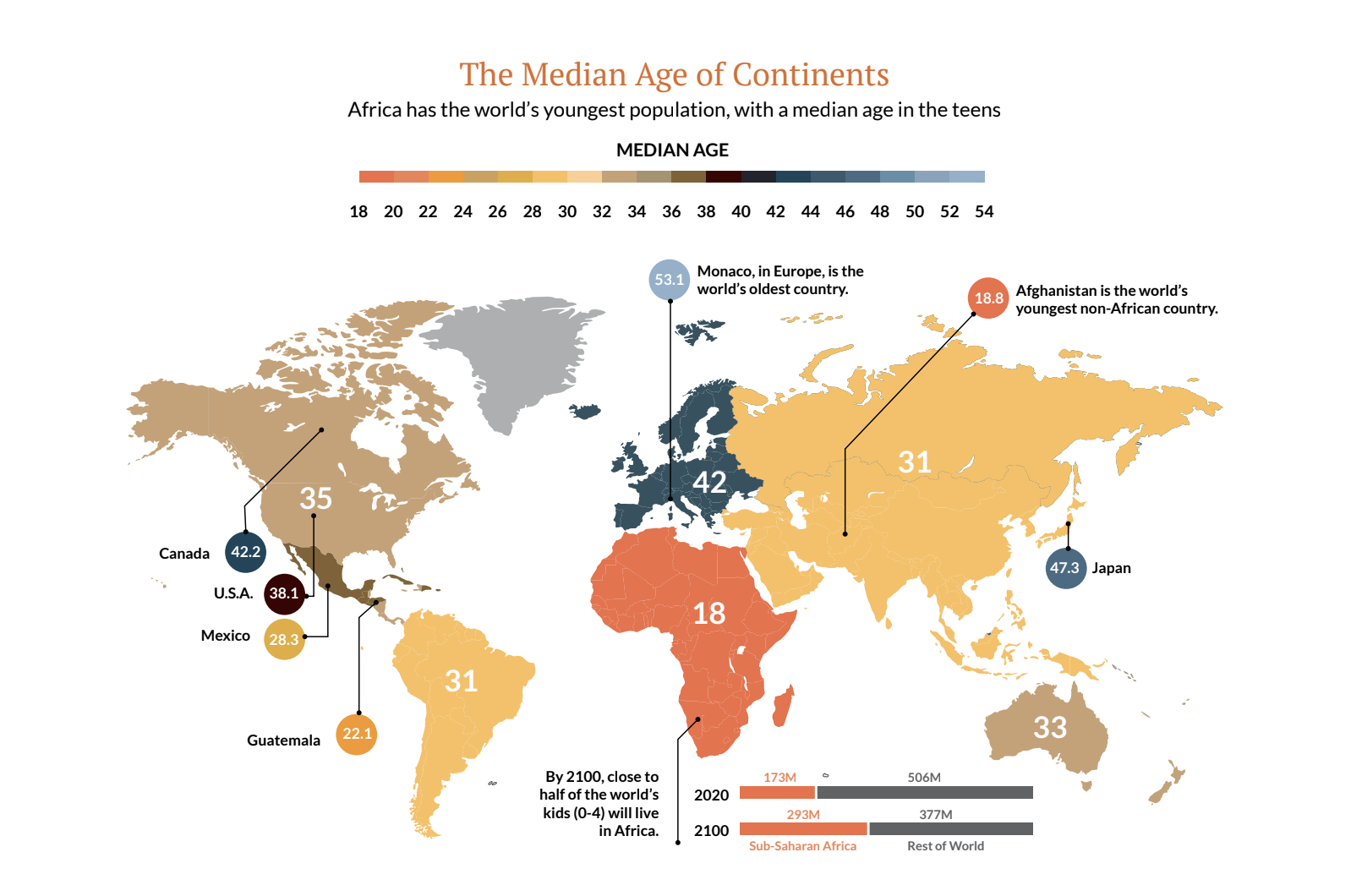
Graphic from the Mergon Foundation’s Awakening Africa Report: Insights for Kingdom Mobilisation
Across Africa, they're impossible to miss: children. They fill streets and marketplaces, herd livestock in rural villages, march in neat lines wearing school uniforms trekking miles to remote classrooms. Many grow up in communal care while parents seek work in distant cities.
They are everywhere—and they are Africa’s most untapped resource.
The statistics tell a remarkable story: Africa stands as the world's youngest continent by a substantial margin. Over 60% of Sub-Saharan Africa's population is under 25, with nearly 40% under 15.
And this youth surge shows no signs of slowing. Africa's population is projected to double by 2050, when more than one-third of the world's young people will call the continent home. While the global population is aging, Africa is surging with new life.
Behind these staggering numbers lies an even more significant reality: a generation uniquely open to spiritual truth.
“The data shows that 72% of all people who accept Christ do so before turning 18,” explained Jen Merryman, CEO of Children in Christ (CIC). “Kids are spiritually open and responsive—spiritual sponges for truth.”
That makes this youth wave not only Africa’s greatest demographic reality—it makes it one of the most significant mission opportunities of our time.
The Tactics: Simple Tools, Powerful Impact
For Children in Christ, everything starts with the local indigenous church. Their model is simple and scalable: go to where the church already exists, cast a vision for the biblical importance of children, and equip believers to disciple the next generation.
“We believe the local church is God's primary instrument for reaching communities,” says Jen. “But many churches need to be reawakened to their role in the Great Commission. When church leaders explore what Scripture teaches about children, they often realize they've overlooked half their community—and much of their ministry potential.”
“There are so few options for kids in Africa... Even simple efforts make a big impact. Kids keep coming back because they find belonging, identity, and something new.”
The process is strategic. Churches identify people with a heart for children, who are then trained in CIC's Living Active Method (LAM)—a discipleship approach using only the Bible. Through LAM, children hear God’s Word, see it demonstrated, speak it aloud, act it out, discuss it, and ultimately teach it to others.
Discipleship typically happens through weekly kids' clubs—60 to 90 minutes of games, music, prayer, and immersive biblical learning. The format thrives even in areas with limited formal education or resources, as volunteers can easily replicate the method.
“There are so few options for kids in Africa—no formal entertainment—so anyone who shows genuine interest quickly draws a crowd,” explains De Wet Spies, the Maclellan Foundation’s Strategy Director for Africa. “Even simple efforts make a big impact. Kids keep coming back because they find belonging, identity, and something new.”
In fact, something as simple as a soccer ball can open doors for Christ.
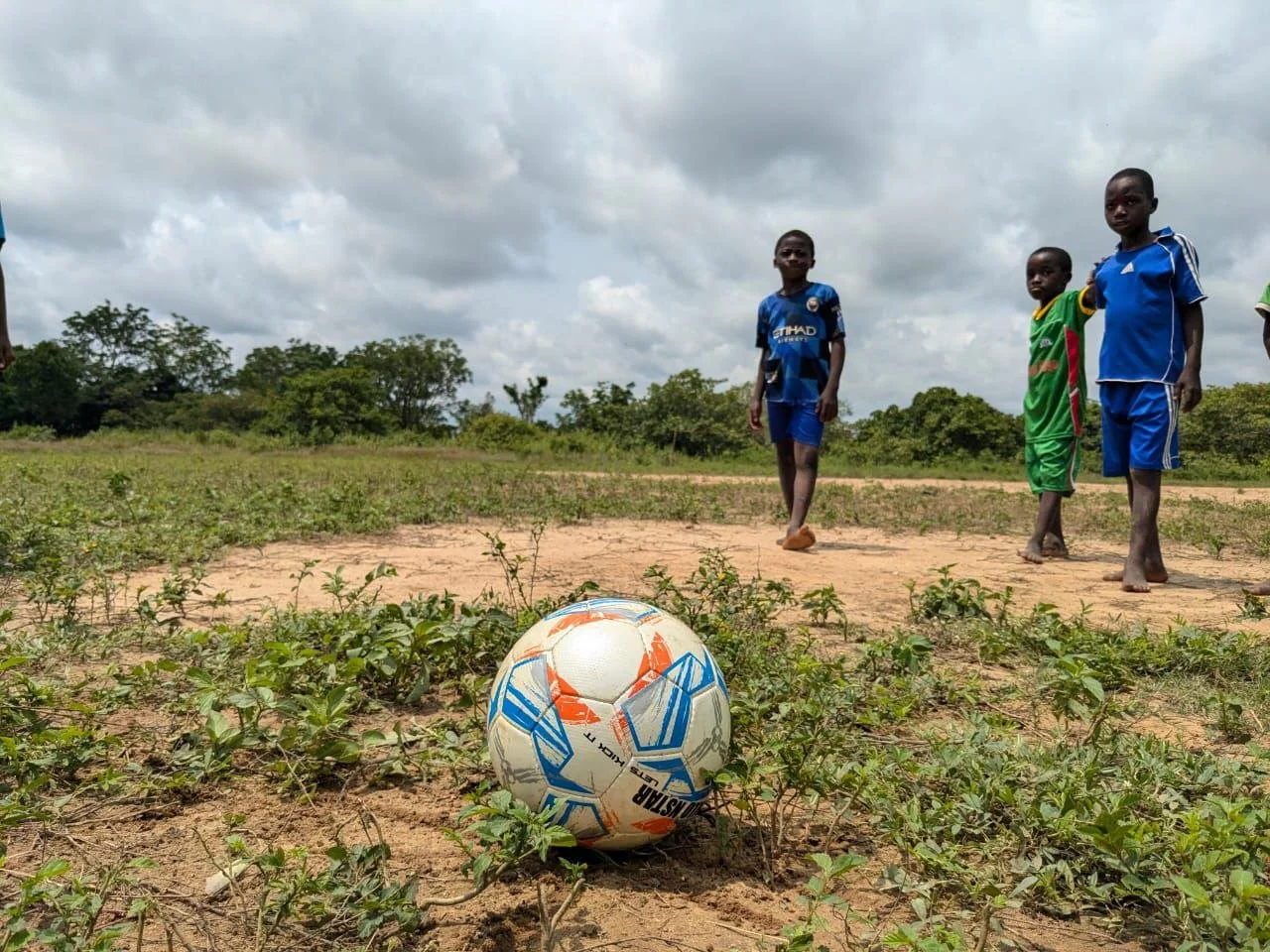
Kids playing soccer through Sports Movement outreach
"The soccer ball is Africa's universal language," notes Christopher Kasale of Sports Movement Africa. "Everyone follows soccer. If you want to make a child in Africa smile, invite them to play."
This simple insight drives one of the most effective outreach strategies among Africa's youth. In communities lacking entertainment options, organized sports activities naturally draw children together, creating ideal opportunities for discipleship conversations.
“African children are naturally competitive and looking for outlets,” adds a local ministry leader from Togo. “They admire European professional players and want to train like them. We use that passion as a bridge to spiritual conversations.”
This approach goes beyond evangelism to actual church planting. As Chris explains, “With a ball, we have planted many churches.” Their ministry both launches new congregations and equips existing churches with tools to reach children, creating sustainable, locally led movements.
Though their methods differ, both kids' clubs and sports ministry models share one powerful trait: they are designed to multiply. Young participants are discipled to become leaders who launch their own outreaches—often reaching peers that adults cannot. With minimal supervision, these youth leaders continue the ministry long after the initial trainers are gone.
This multiplication effect transforms limited outreach efforts into movements with generational momentum—each wave of children producing the next wave of leaders who establish new ministries in previously unreached communities.
The Potential: Discipling Generations
The potential of youth outreach models extends far beyond individual conversions—it represents a force that can transform communities and influence entire nations.
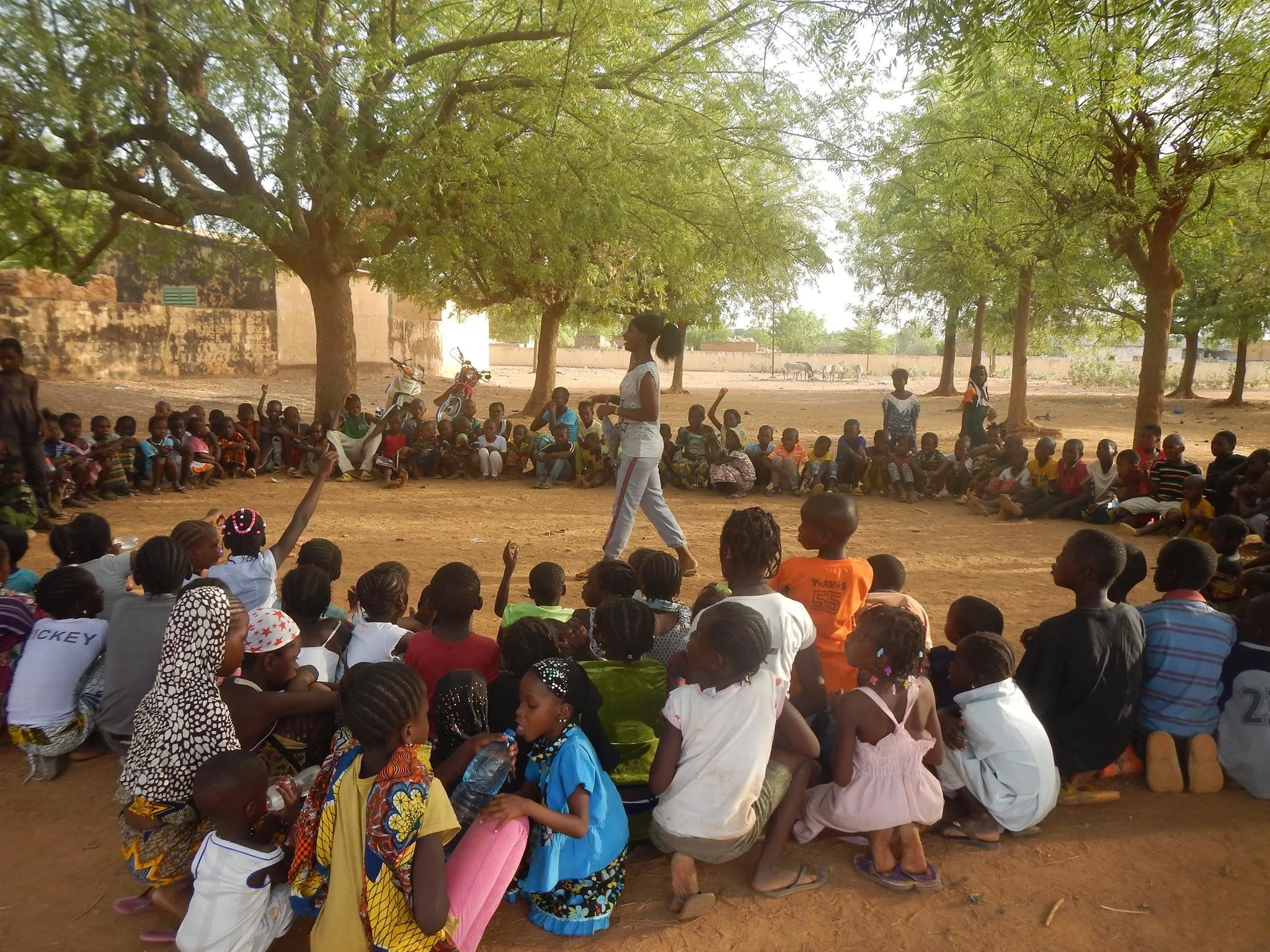
A child leader teaching at one of Children in Christ’s clubs in Mali
Young people are natural influencers within their families, schools, and communities. When they encounter Christ, they return home excited to share their faith, often leading entire families to salvation through their transformed lives. The transformation is evident in their daily lives—from struggling in school or acting out to becoming students who thrive and honor their parents. When parents observe their child's changed behavior, doors open for spiritual conversations, even in Muslim households where such discussions might otherwise be impossible.
Youth also possess unique access to restricted environments where adult missionaries cannot go. Children fly under the radar and, using simple tools like sports and clubs, can reach closed communities. This access becomes crucial in regions experiencing political instability, where restrictions often target adults while allowing children greater freedom.
Today, Africa stands at a critical inflection point. While its youth are currently spiritually open and receptive to the gospel, external pressures are creeping in. Technological distractions, eroding community ties, intense educational and economic pressures, and rising political instability are rapidly taking root. The wide-open window of opportunity we see today may narrow—or close entirely—within a single generation.
“These kids are generational multipliers... They will pass it on to their children and those not yet born. It’s a legacy into the future, which is so powerful.”
Moreover, missing this opportunity could have consequences that echo for generations.
"These kids are generational multipliers—God designed them to be,” says Jen Merryman. “They will pass it on to their children and those not yet born. It's a legacy into the future, which is so powerful."
"If we reach them now, in 30 years, we'll have 1 billion kids serving the Lord—if we don't reach them, we'll have adults that are hard to shift," emphasized De Wet. “For a long time, Africa has been scorned as underdeveloped—but this is part of a much bigger movement of the Lord—people who have nothing to hold on to but Christ—and take it to the rest of the world."
The window is open. The opportunity is unprecedented. And the potential—a generation of African believers equipped to disciple nations—could reshape the global Church forever.
Click the image to view the report.
To learn more about the opportunity for the gospel in Africa, check out our partner the Mergon Foundation’s Awakening Africa Report: Insights for Kingdom Mobilisation.
This report encapsulates learnings distilled over many years of walking alongside ministry partners. It also contains valuable insights and perspectives from African leaders, theologians, researchers and resource partners—for the sake of seeing the continent truly transformed by the gospel.
The Awakening Africa Report is a valuable resource for ministries, funders and those invested in Africa’s future. It is filled with insights for Kingdom mobilization and fresh perspectives on the continent.